
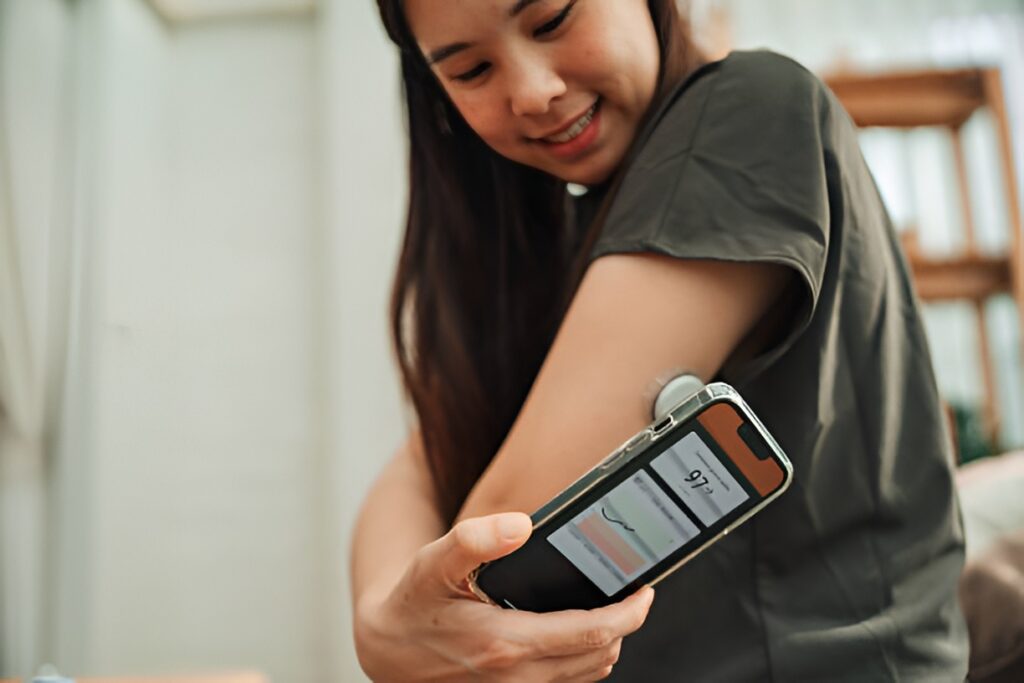
Managing Type 1 diabetes is not a matter of willpower or discipline. It is a 24-hour physiological challenge that most people around you cannot see. Every meal requires a calculation, every workout carries real metabolic risk, and one miscalculation can turn an ordinary evening into a medical emergency. For Malaysians living with Type 1, the best CGM service in Malaysia for people with type 1 diabetes is not a wellness upgrade. It is a clinical safety requirement, and it deserves to be treated as one.
Why Type 1 Diabetes Demands a Different Standard of Care
Type 1 diabetes involves the complete absence of endogenous insulin production. Unlike Type 2, which often allows for lifestyle-driven glucose management, Type 1 demands continuous external insulin. The margin for error is narrow. Postprandial glucose spikes after a plate of char kway teow can look entirely different from one day to the next, depending on your stress levels, sleep quality, and how much activity you got. No two days respond identically, and that unpredictability is exactly what makes continuous monitoring clinically necessary rather than optional.
The 2020 Clinical Practice Guidelines on Management of Type 1 Diabetes Mellitus, published by the Ministry of Health Malaysia, specifically recommend continuous glucose monitoring as an important tool for improving glycaemic control and reducing hypoglycaemic events. Despite this, access to well-structured, physician-supported CGM care remains uneven across the country. Owning a sensor is not the same as having a care plan built around what the sensor shows you.
What a Type 1-Ready CGM Programme Must Deliver
Not every CGM service is equipped to handle the volatility that Type 1 management demands. A programme built for this condition needs to do more than track numbers. It needs to interpret them within the specific clinical context of a person whose insulin dependency is total and whose glucose patterns can shift without warning.
Sensor data must be reviewed against your insulin patterns, not in isolation. Your physician needs to see the relationship between your dosing and your glucose response across time. Hypoglycaemia alert protocols need to be clearly defined, with active clinical communication when readings fall below safe thresholds. Time-in-range needs to be treated as the primary metric, not just HbA1c, because a three-month average hides the intraday volatility that makes Type 1 management genuinely dangerous.
Equally important is flexible access to your care team. Type 1 management does not follow a predictable schedule. Your glucose patterns can shift mid-week during Ramadan, during travel, or when your work routine changes. Waiting until the next scheduled appointment to discuss a pattern that is already affecting you daily is not adequate care. The lifestyle context of living in Malaysia, with festive seasons, communal meals, shift work, and irregular sleep, needs to be built into your care plan directly, not treated as an exception.
How Continuous Physician Review Changes Daily Life
Seraya Health‘s physician-led programme is structured around the clinical complexity that Type 1 presents. Unlimited teleconsultations mean you never interpret a concerning data pattern without support from a clinician who knows your history. Your doctor reviews your CGM trends alongside your lifestyle context and adjusts recommendations as your readings change, not once per quarter, but as often as your condition requires.
The programme includes regular HbA1c cross-referencing, evidence-based supplement guidance, and a consistent care team that knows your full picture. There is no starting over with a new clinician every visit, no repeating your history from scratch, and no navigating a result alone at an inconvenient hour.
Members managing Type 1 diabetes with this level of structured CGM support report fewer unplanned hypoglycaemic episodes, greater confidence during festive meals and work dinners, and a meaningful reduction in the mental fatigue of managing a complex condition without adequate clinical backup. The mental load of Type 1 is real and measurable, even if most clinical settings do not formally acknowledge it. When your care team is actively reviewing your data and reachable when things shift, that load becomes manageable.
Know your numbers. Change your future.
Book your assessment with Seraya Health today and take the first step toward a CGM programme built around your Type 1 diabetes management. Know your numbers. Change your future.
Frequently Asked Questions
Q1. Can telehealth actually handle the clinical complexity of Type 1 diabetes?
Yes, when supported by continuous CGM data. Seraya Health’s physicians review your sensor readings between consultations, so clinical oversight continues rather than being limited to a short appointment every few months. The data provides the continuity that makes remote care genuinely effective for Type 1 patients.
Q2. Do I need to change my existing insulin regimen before joining?
No. The programme works alongside your existing treatment plan. Any adjustments happen collaboratively with your physician, based on your CGM data over time, not on a standardised protocol that ignores your individual glucose behaviour.
Q3. What happens if my glucose drops during a hypoglycaemic episode between consultations?
During onboarding, your care team establishes a personalised alert and response protocol for exactly this situation. Your physician remains accessible via teleconsult outside scheduled sessions when your readings raise concern. You are never making a clinical decision alone.