
You check your blood sugar in the morning, write it down, and carry on with your day. But by the time you sit down at your next clinic appointment, that single number barely tells a story. Monitoring sugar levels in diabetes is not about collecting readings. It is about building a picture that your care team can actually use to make the right decisions for you.
Why Once-Daily Readings Leave You Flying Blind
Many Malaysians with diabetes check their glucose only once or twice a day, at fixed times before meals. This gives a limited snapshot of what the body is doing across 24 hours. Post-meal spikes, overnight dips, and stress-driven rises go completely undetected between those two points.
According to the National Health and Morbidity Survey 2023, over 40 per cent of Malaysians living with diabetes remain undiagnosed and have no monitoring framework at all. Among those diagnosed, inconsistent tracking is one of the most common reasons HbA1c targets stay out of reach. Without a complete picture, clinical decisions are often made using incomplete information.
Choosing the Right Monitoring Method for Your Situation
There are several approaches to monitoring sugar levels in diabetes, each offering a different depth of information. The right method depends on your condition, your daily schedule, and what your care team needs to see. What matters most is that monitoring is structured, consistent, and directly connected to a physician who reviews the data and acts on it. Data in an app that no one reviews is not the same as data that drives clinical decisions.
Methods for Monitoring Sugar Levels in Diabetes
- Self-monitoring with a glucometer: The finger-prick test is widely used and accurate when done consistently. It only captures the moment of testing, but structured testing at set times, such as before meals and two hours after, produces useful pattern data when done correctly.
- Continuous Glucose Monitoring (CGM): A small sensor worn on the skin tracks glucose automatically every few minutes, day and night. It shows not just the current level but the direction it is moving. For anyone with a variable schedule or unexplained readings, CGM provides the most complete picture available, including how specific Malaysian meals affect your glucose.
- HbA1c testing: Conducted at a clinic every three months, this test reflects your average glucose over the preceding 12 weeks. It is the standard clinical measure of long-term control and confirms whether daily monitoring is translating into better outcomes. A few careful days before the test will not improve it.
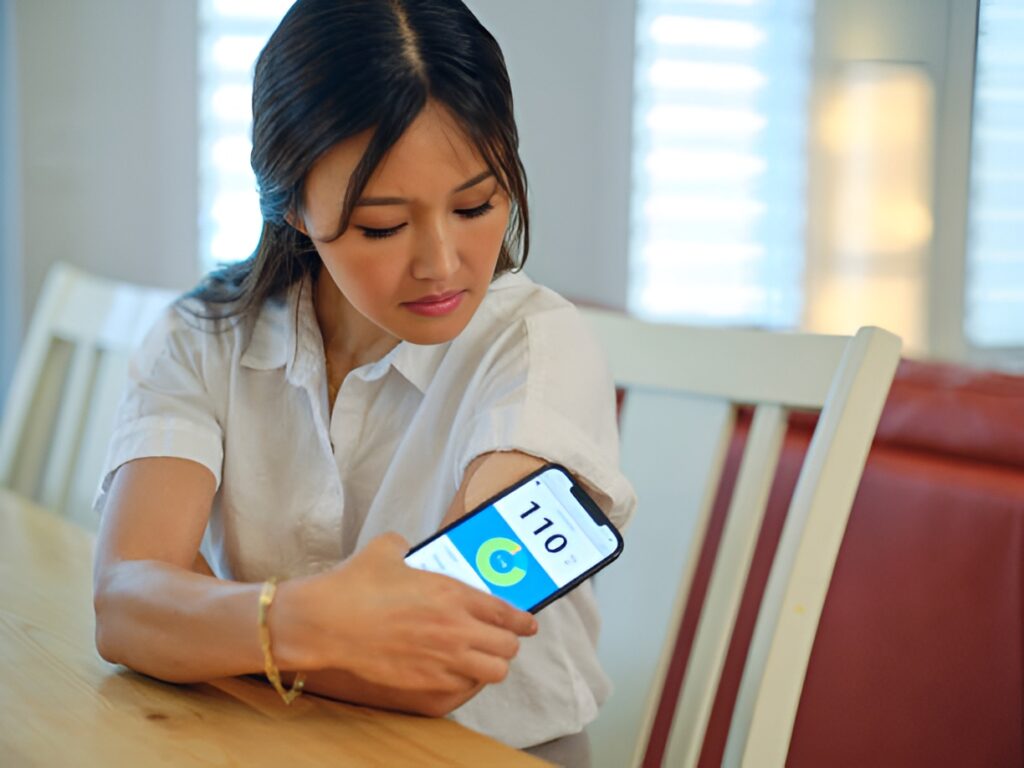
- Flash glucose monitoring: A middle-ground option where you scan a wearable sensor on demand for a current reading and a short trend history. It sits between standard glucometer testing and full CGM in both data depth and convenience.
How Proper Monitoring Changes Daily Diabetes Management
When monitoring sugar levels in diabetes is done consistently and reviewed with a physician, the shift from reactive to proactive care is tangible. You stop waiting to feel unwell before making adjustments. You understand which meals push your glucose up and which activities bring it down. That clarity reduces anxiety and shows up in better results at every quarterly check.
Monitoring That Connects Your Care Plan
A reading without context is just a number. A pattern of readings reviewed by an informed care team becomes the basis for decisions that genuinely improve outcomes. Seraya Health is not a logging app. We connect your monitoring directly to physician-led care so that every data point becomes part of an active management plan, not a record waiting for your next appointment.
Your Data Only Works If Someone Is Acting on It
Monitoring sugar levels in diabetes is the foundation of every good clinical decision your care team makes on your behalf. The method matters, the consistency matters, and having a physician who reviews that data and responds to it is what separates a log from a plan. If your monitoring feels disconnected from your care, that is the problem worth solving first.
Track Smarter with a Care Team That Uses Your Data
Seraya Health combines structured glucose monitoring with physician-led care so your data drives real change. Book your health assessment at Seraya Health and start monitoring sugar levels in diabetes with a care team that actually uses what you track.
Frequently Asked Questions
Q1. How often should I check my blood sugar if I have Type 2 diabetes?
Frequency depends on your treatment plan. Those on insulin typically check more often. If you are managing through lifestyle and oral medication, your physician will advise on the most useful testing schedule for your situation.
Q2. Is CGM covered by health insurance in Malaysia?
Coverage varies by insurer and policy. It is worth checking directly with your provider. Some employer group health plans have begun including CGM as a covered benefit, and this is expanding.
Q3. What is a healthy post-meal glucose target for someone with diabetes?
For most adults with diabetes, a reading below 10 mmol/L two hours after eating is generally acceptable. Your physician will set your specific targets based on your overall care plan.