
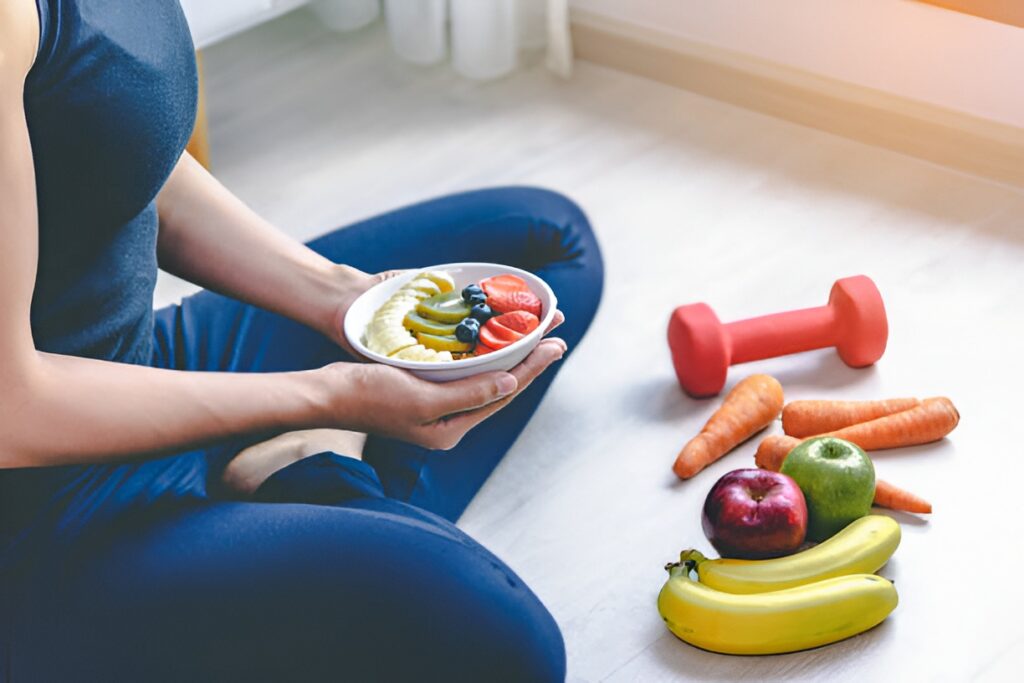
Every morning the fasting number stares back at you. You ate sensibly yesterday, skipped the curry puffs at the office, and went to bed at a reasonable hour. Yet the reading is still higher than it should be. Blood glucose management is one of those things that feels like it should respond to effort, and it does, but only when the effort is pointed in the right direction.
Why Blood Glucose Management Stays Out of Reach for So Many People
Blood glucose management means keeping blood sugar levels within a healthy range through lifestyle choices, monitoring, and where necessary, medication. The challenge is that glucose responds to many variables at once. Meal composition, meal timing, sleep quality, stress, and physical activity all play a role simultaneously.
The Ministry of Health Malaysia’s National Diabetes Registry Report 2023 found that only 34.38 per cent of registered diabetes patients achieved the target HbA1c of 6.5 per cent or below. Most are still searching for a combination that produces consistent results. For many, the missing piece is not medication. It is a practical, specific understanding of what diet and exercise actually do to blood glucose.
Without that clarity, people often put effort into the wrong areas and see little improvement in their results.
The Two Things That Affect Blood Glucose the Most
Diet and exercise are the two most powerful non-medication tools for blood glucose management. The key is applying them strategically, not generally. That means understanding how your own glucose responds to specific foods and activities and making decisions based on real monitoring data reviewed with a physician, not a generic list of dos and don’ts.
What Actually Works for Blood Glucose Management
- Food pairing, not food elimination: A plate of nasi campur with fish, ulam, and a vegetable dish produces a far gentler glucose response than plain rice alone. The composition of the meal matters as much as the portion size. You do not have to give up the food. You adjust what sits alongside it.
- Swap liquid glucose first: Sweetened drinks spike blood glucose faster than almost any solid meal. Switching your teh tarik to kosong, or replacing one drink per day with water, is the highest-impact, lowest-sacrifice change most members can make immediately.
- Consistent meal timing: Skipping meals and eating a large portion later creates sharp glucose peaks. Spreading food intake more evenly across the day is one of the simplest ways to reduce variability without changing what you eat.
- Post-meal movement: A 10 to 15-minute walk after your main meal reliably reduces the glucose peak that follows eating. It does not need to be intense. A walk around your office building or neighbourhood is sufficient and sustainable.
- Resistance movement twice a week: Bodyweight exercises such as squats or wall push-ups improve insulin sensitivity over time. No gym membership required. Done consistently, this produces measurable changes in how your body manages glucose.
- Incidental movement adds up: Parking further away, taking the stairs, standing during calls. These micro-movements accumulate across the day and contribute to more stable glucose without requiring a dedicated time slot.
What You Will Notice When the Approach Is Right
Members who apply these adjustments consistently begin to notice differences within weeks. Energy stabilises through the afternoon. Fasting readings start to improve. Sleep quality gets better. The mental load of managing the condition lightens because the patterns become more predictable. For professionals balancing full work weeks and family commitments, these changes are designed to fit into existing routines rather than replace them.
Physician-Led Support That Turns Data Into a Plan
Blood glucose management through diet and exercise is not about restrictions. It is about knowing which specific adjustments your body responds to and building those consistently. Seraya Health supports this with physician-led guidance, real-time CGM data, and a care plan built around your actual life. Your glucose data shapes every recommendation rather than a generic protocol that treats every member the same.
The Right Adjustments Move Numbers
Diet and exercise work for blood glucose management when applied with precision and reviewed with real data. Without that, effort accumulates without results. Knowing exactly which adjustments your body responds to, supported by a clinical team that keeps you on track, is what changes the outcome.
Build Your Personalised Blood Glucose Plan With Us
Seraya Health’s physician-led programme combines personalised dietary guidance, exercise support, and CGM monitoring to improve your blood glucose management. Explore Seraya health and let us help you build a plan that fits your real life.
Frequently Asked Questions
HbA1c reflects the past three months. Consistent lifestyle changes can show measurable improvement at your next quarterly check, though individual results vary based on starting levels.
No. Portion size, food pairing, and meal timing matter far more than cutting rice. Many members achieve meaningful glucose improvements while keeping rice as a regular part of their diet.
In some cases, particularly early-stage Type 2 diabetes, consistent lifestyle improvements can reduce or delay medication requirements. This should always be reviewed with your physician rather than self-adjusted.