
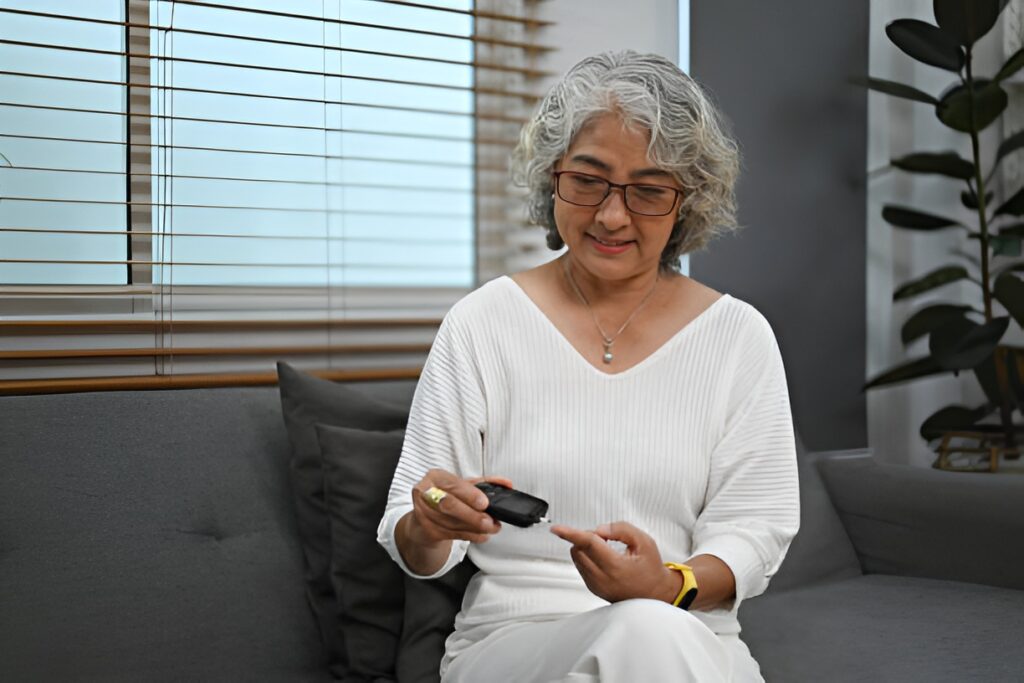
Two times a day. Before and after meals. Just fasting. If you have ever asked a doctor how often to test your blood sugar, you probably received a number without much context. The reality is that testing frequency is not a fixed rule. It depends on your health status, your goals, and what you are actually trying to learn from the data.
Why Getting the Frequency Wrong Costs You
Blood sugar moves constantly in response to food, movement, stress, and sleep. Testing once a day tells you almost nothing about how your body behaves for the other 23 hours. If you are making management decisions based on a single fasting reading, you are working with a small fraction of the information you actually need.
For those on insulin therapy, testing too infrequently is a genuine safety concern. For those managing pre-diabetes or metabolic health, it often creates a false sense of security that delays meaningful action until the condition becomes significantly harder to address.
At Seraya Health, this monitoring gap is one of the most consistent issues we identify in new members. Most arrive testing once daily, missing post-meal spikes, overnight patterns, and the stress-related rises that drive so much of their instability. Correcting this is one of the first steps in every programme.
How to Think About Testing Frequency
Rather than prescribing a fixed number of tests, the more useful question is: What are you trying to learn, and what is the most efficient way to learn it? The answer changes depending on where you are in your health journey and what care tools you have available.
Testing by Situation: Five Practical Guidelines
- Newly diagnosed with type 2 diabetes – Testing fasting in the morning, before your main meal, and two hours after gives your clinical team four to five daily data points. This is the minimum needed to calibrate a care plan effectively in the early stages of diagnosis.
- On insulin therapy – Testing frequency is higher here, typically four to seven times daily, including before meals, at bedtime, and whenever you feel symptomatic. Your physician defines your specific protocol. Do not adjust this without clinical guidance.
- Managing pre-diabetes or insulin resistance – A fasting morning reading plus a post-meal test after your highest-carbohydrate meal of the day is a reasonable daily minimum. CGM provides a far more complete picture without any additional finger pricks or discomfort.
- Using CGM for continuous monitoring – CGM records glucose automatically every few minutes. You still benefit from periodic finger-prick calibrations and regular HbA1c testing, but your day-to-day monitoring burden reduces significantly. Seraya Health reviews your CGM trends at every teleconsultation to adjust your programme in real time.
- During illness or high-stress periods – Infection and sustained psychological stress cause significant blood sugar swings even in well-controlled individuals. Increase testing frequency during these times and contact your health team if readings stay consistently outside your usual range.
Less Anxiety and More Useful Information
When you understand how your body responds to specific foods, your sleep schedule, and your stress levels, testing stops feeling like a chore and starts feeling like information. That is a practical shift, not a mindset trick. Learning to trust your data rather than dread it is something the Seraya Health team works through with every member from the very first week.
The Right Frequency Is the One That Helps You Act
Testing your blood sugar only matters when it leads to action. The goal is not to accumulate numbers but to build a clear, continuous picture of your metabolic health that you and your clinical team can act on together. Frequency matters, but so does understanding what to do with what you find. That is where a clinical team that actually reviews your data, not just your prescription, makes the kind of difference you notice.
Get a Testing Plan Built Around Your Goals
At Seraya Health, every physician teleconsultation includes a review of your monitoring habits and glucose data. Whether you are considering CGM for the first time or looking to optimise an existing routine, we help you test smarter, not just more often. Book your complimentary health assessment today at serayahealth.com.
Frequently Asked Questions
Q1: Can I test too often?
More data is generally useful clinically. In practice, excessive testing without professional guidance can increase anxiety without improving outcomes. A good care team helps you find the right frequency for your specific situation rather than leaving you to guess.
Q2: What is a healthy blood sugar two hours after eating?
For most adults, blood sugar should fall below 7.8 mmol/L two hours after a meal. Readings consistently above this level warrant a clinical review and are worth raising with your physician.
Q3: Does CGM remove the need for finger-prick testing entirely?
Not entirely. CGM provides continuous trend data but benefits from occasional finger-prick calibration and does not replace periodic HbA1c testing and clinical lab work.